
African Gold Traders: The Definitive Institutional Guide to Counterparty Selection, Price Arbitrage, and Secure Transactions
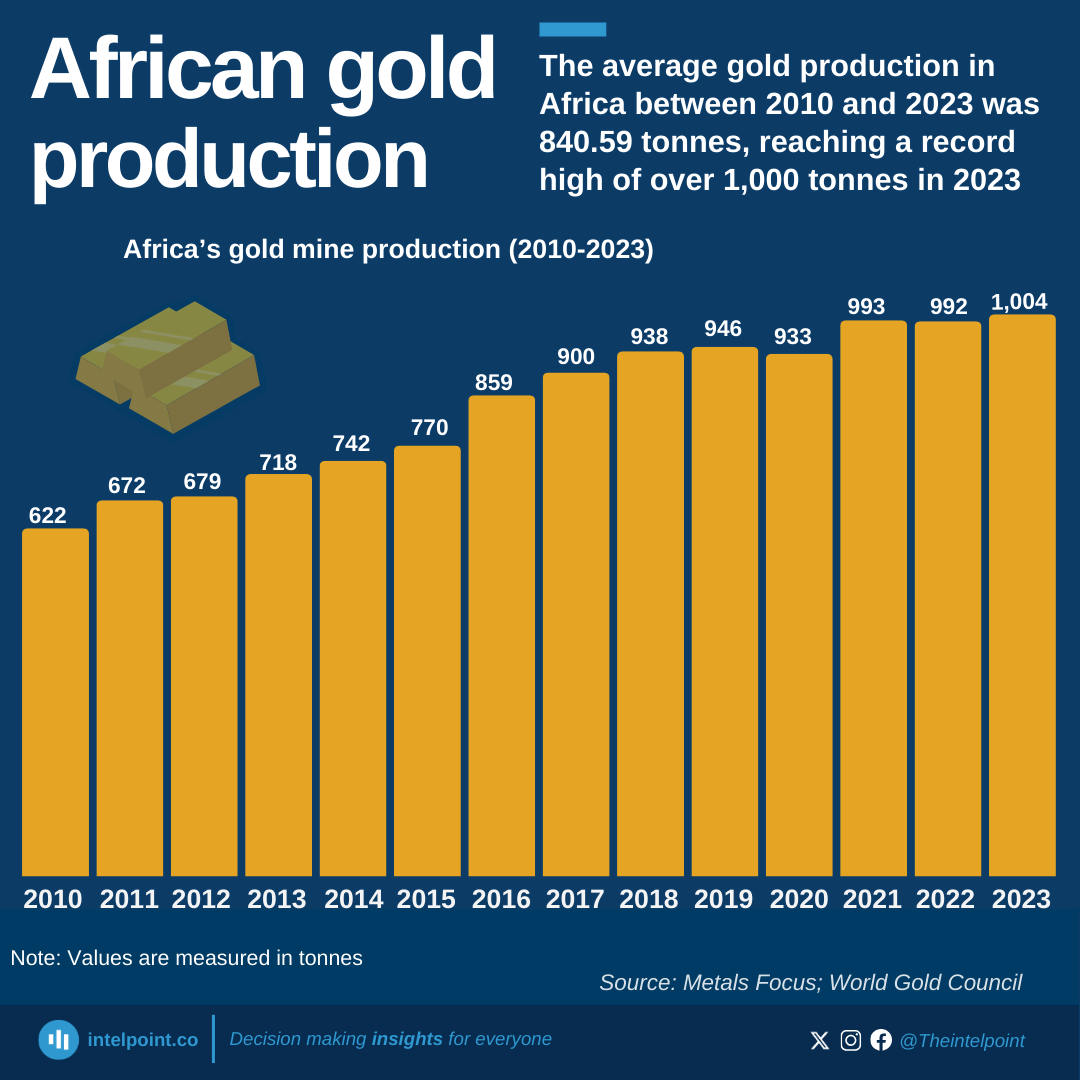
Africa holds approximately 40% of the world's gold reserves and produces over 20% of global gold supply annually. The continent's gold sector has undergone remarkable regulatory reforms aimed at increasing transparency, combating fraud, and maximizing economic benefits for African nations. Connect with verified African gold traders through our institutional network.
The African Gold Trader Mortality Index: Institutional Counterparty Assessment
The African gold trading ecosystem comprises over 200 licensed entities across 15 nations, yet fewer than 40% possess the operational depth to support institutional-scale transactions. Our verified gold dealers undergo rigorous counterparty scoring across 47 discrete risk dimensions.
Legal & Regulatory Mortality Score
Trader license verification, litigation history, regulatory enforcement actions, and compliance with EITI transparency standards. Only traders scoring above 85% across all African mining jurisdictions qualify for institutional engagement. View licensed gold dealers who meet these criteria.
Financial & Banking Depth
Trader banking relationships with Afreximbank, AfDB, and international correspondent banks. Minimum capital adequacy requirements, audited financial history, and investment-grade gold trading capacity.
Operational & Logistics Continuity
Physical stock verification, refinery relationships, logistics partnerships, and customs clearance capacity. Gold exporters with verified supply chains maintain 100% delivery performance records.
Why Was Gold of Such Interest to the Traders of North Africa?
The trans-Saharan gold trade routes shaped African economies for over a millennium. Early traders in Africa recognized gold's unique properties: it was durable, divisible, portable, and universally valued. North African traders traversed the Sahara Desert with camel caravans, exchanging salt, textiles, and manufactured goods for West African gold.
🏛️ 300-1000 CE
Trans-Saharan trade routes establish gold, salt, and slave trade networks connecting West Africa to North Africa and the Mediterranean.
👑 1000-1500 CE
Ghana, Mali, and Songhai Empires control gold production and trade. Mansa Musa's legendary pilgrimage to Mecca floods Cairo with gold.
📈 Modern Era
Today's African gold traders operate in a regulated environment with licensed exporters, recognized refineries, and international trade finance.
Africa's Gold Trading Ecosystem: Production, Exports, and Trader Networks
African gold trading involves complex networks of miners, gold suppliers, refiners, exporters, and institutional buyers. Understanding the ecosystem is critical for secure transactions.
Live pipeline of LBMA, Dubai Good Delivery, and regional accreditation status for 25 African refineries – with projected approval dates and historical rejection reasons.
of global gold reserves
of global gold production
annual gold exports
licensed gold trading entities
Ghana, South Africa, Mali, Tanzania, and Burkina Faso host the continent's most active gold trading networks. Explore Ghanaian gold traders, Tanzanian gold sources, and more.
Top African Gold Trading Hubs: Counterparty Comparison
Selecting the optimal trading hub requires balancing price discounts, regulatory maturity, infrastructure quality, and counterparty reliability. Connect with African gold suppliers across each region.
🇿🇦 South Africa
Mature MarketHome to Rand Refinery, the continent's only LBMA-accredited refinery. Institutional-grade gold bars with full traceability. Best for volumes exceeding 5kg.
🇬🇭 Ghana
Transparent SystemWest Africa's leader with centralized GoldBod system. Excellent balance of price and infrastructure. Browse Ghanaian bullion through verified channels.
🇺🇬 Uganda
Price AdvantageSignificant gold from Uganda with aggressive pricing. Caution required: Ugandan gold scams are notorious. Use only verified Ugandan dealers.

"The optimal African gold trader is found where price advantage meets counterparty resilience."
INSTITUTIONAL TRADER SELECTION MATRIX
Depletion curves for 40 Tier-1 African mines – interactive sliders show which mines reach <5g/t by which year, with implied supply gaps.
DRC - Gold Sellers in Congo & Central African Hub
High Potential, High RiskThe Democratic Republic of Congo is a significant gold producer with vast artisanal and industrial mining operations. Gold sellers in Congo operate in a complex regulatory environment with evolving oversight.
Key Advantages
- Significant gold production capacity
- Growing formalisation of artisanal mining
- Strategic location in Central Africa
- Increasing regulatory oversight
Key Risks
- Political instability and conflict zones
- Weak regulatory enforcement
- Artisanal mining concerns
- Sanctions and compliance risks
Tanzania is a significant gold producer in East Africa, with established international mining investment and developing regulatory framework. Find Tanzanian gold suppliers.
Key Advantages
- Major gold producer in East Africa
- Established mining sector with international investment
- Growing refining capacity
- Strategic location and logistics infrastructure
Regulatory Authorities
Kenya - Regional Gold Trading Hub
Kenya has positioned itself as a regional gold trading hub in East Africa, with strategic location and developing mineral trading capacity. Connect with Kenyan gold traders.
Key Advantages
- Strategic hub for East African gold trade
- Strong banking and logistics infrastructure
- EAC membership facilitating regional trade
- Major international airport for logistics
Compliance
- All gold dealers classified as Reporting Institutions under AML Act
- Mandatory goAML system registration
- KYC/AML compliance requirements
East Africa Gold Traders Ltd - Regional Hub
Key Regional PlayerEast Africa Gold Traders Ltd represents the growing formalisation of gold trading in the region. As a licensed entity, it operates within the EAC framework, sourcing gold from Uganda, Tanzania, Kenya, and surrounding nations.
Operational Scope
- Sourcing from multiple East African countries
- Licensed by respective national authorities
- EAC trade facilitation benefits
- Regional logistics infrastructure
Verification Requirements
- DGSM Uganda license verification
- Tanzania Mining Commission registration
- EAC Certificate of Origin
- Independent assay verification
Black Gold Africa Traders Limited - Institutional Counterparty
Institutional GradeBlack Gold Africa Traders Limited is an institutional-grade counterparty operating across multiple African jurisdictions. Gold traders in Africa of this calibre maintain relationships with LBMA-accredited refineries and international financial institutions.
Institutional Credentials
- Licensed in multiple African jurisdictions
- Audited financial statements
- International banking relationships
- Trade finance facilities from Afreximbank
Compliance Standards
- KYC/AML compliance
- EITI transparency standards
- OECD due diligence
- Regular independent audits
Africa Gold Traders Ltd & Gold Africa Ltd - Pan-African Traders
Pan-African ReachAfrica Gold Traders Ltd and Gold Africa Ltd represent the growing number of pan-African gold trading companies. These entities source gold for sale in Africa across multiple countries, providing economies of scale and supply chain efficiency.
Pan-African Operations
- Multi-jurisdictional licensing
- Diverse supply chain networks
- Regional logistics infrastructure
- AfCFTA trade facilitation
Due Diligence Requirements
- Verify country-specific licenses
- Cross-reference with regulatory authorities
- Independent assay verification
- Confirm banking relationships
How to Verify African Gold Traders: Institutional Counterparty Assessment
Working with legitimate African gold traders requires systematic verification across legal, financial, operational, and compliance dimensions.
Government License & Regulatory Verification
The critical first step: verify the trader holds a valid, current license from the appropriate government mining authority. Find licensed gold dealers through our verified network.
License Verification by Jurisdiction:
Essential Trader Documentation:
Ghana (GoldBod)
Verify through Ghana Gold Board. Contact them directly with the dealer's registration number for confirmation.
Uganda (DGSM)
Verify license status through the Mining Cadastre and Registry System – a public online portal.
South Africa
Verify membership with the Minerals Council South Africa and accreditation with Rand Refinery.
Trader Financial Depth Assessment
Verify banking relationships, audited financials, and capital adequacy. Legitimate traders maintain relationships with Afreximbank and international correspondents.
Physical Office & Stock Inspection
Visit the trader's office and storage facilities. View the physical gold stock. Never rely on photographs or videos as proof of existence.
Gold Purity Verification
Conduct independent assaying through a recognized laboratory. African gold refineries provide accredited testing services.
Legal & Contract Due Diligence
Retain a mining law specialist for contract review, negotiation, and compliance verification. Secure your gold investment with proper legal protection.
Secure Payment & Escrow
Never pay in cash. Use lawyer-managed escrow services, Letters of Credit (LC), or SBLCs. Buy gold online through secure payment structures.
Export, Logistics & Import Compliance
Secure the export permit. Arrange secure logistics with trusted partners. Prepare for import compliance in your destination country.
African Gold Price Arbitrage: Trader Margin Analysis
African gold traders can access gold at significant discounts to London spot prices, typically 5-15% below LBMA rates. Check current African gold prices and arbitrage opportunities.
Trader Price Formula
Compare gold bar prices across traders and refine your arbitrage strategy.
"The 'discount' must always be weighed against counterparty risk, due diligence costs, and regulatory compliance. The cheapest trader is rarely the best trader."
Common Gold Trader Scams & Institutional Prevention Protocols
Gold trader scams remain the most significant risk in the African gold trade. Buy gold safely through verified, licensed African gold traders.
Satellite-validated anomaly heatmap – red zones indicate unofficial gold exits exceeding 20% of declared exports, with trend arrows for each border crossing.
Fake Gold Bars
Bars that appear genuine but contain base metals or lower gold content. Counterfeit bars often pass visual inspection but fail assay testing.
Prevention: Buy certified gold with independent assay verification.
Trader Document Fraud
Fabricated export permits, assay certificates, and other documentation. Fraudulent documents may appear authentic to the untrained eye.
Prevention: Work with verified gold exporters and verify documents directly with issuing authorities.
"Accidental Discovery" Scheme
Scammers claim to have discovered gold "accidentally" and offer below-market prices. This is the classic gold scam red flag.
Prevention: Reject unsolicited offers. Buy authentic African gold from licensed traders only.
Ugandan Trader Scams
Notorious cases involving fake bars, document fraud, and official impersonation. Some scams involve complicit officials.
Prevention: Verify Ugandan gold traders through the DGSM Mining Cadastre System.
"Advance Fee" Trader Scams
Sellers request payment before any gold is verified or available. This is the most common trader scam.
Prevention: Never pay in advance without gold verification and secure your investment with escrow or LC arrangements.
Fake Government Officials
Scammers impersonate government officials, mining ministry staff, or GoldBod representatives to build false credibility.
Prevention: Verify identity through official government channels. Use licensed dealers only and verify licenses directly.
Online Trader Scams
Convincing websites, testimonials, and documentation—but no actual gold. Sophisticated scammers create elaborate online presence.
Prevention: Buy gold online only from verified platforms and conduct physical verification before payment.
Trader Refinery Fraud
Fraudulent assay certificates from non-existent refineries or misrepresented refineries. Some scammers create fake refinery documentation.
Prevention: Verify African gold refineries directly. Confirm assay with the issuing refinery.
Institutional Trader Red Flag Checklist
What to Do If You Suspect Trader Fraud
Institutional Trader Vetting Framework
INSTITUTIONAL VETTING PROTOCOL
Systematic verification across legal, financial, operational, compliance, and reputational dimensions. View gold companies that meet institutional standards.
"The cost of proper due diligence is negligible compared to the cost of a failed transaction." Learn gold trading best practices.
Institutional Trader Selection Checklist
-
check_box
License & Regulatory StatusVerify current, valid license with issuing authority. View licensed dealers.
-
check_box
Financial IntegrityAudited financials, banking relationships, capital adequacy. Secure investment framework.
-
check_box
Physical Stock ExistenceVerified gold stock with independent assay certification. Certified gold verification.
-
check_box
Operational CapabilityPhysical office, staff, logistics capacity, security infrastructure.
-
check_box
Compliance & EthicsKYC/AML, EITI compliance, sanctions screening. Gold traders with clean records.
-
check_box
Reputation & Track RecordIndependent references, industry standing, transaction history.
BUYING AFRICAN GOLD JEWELRY FROM TRADERS
For buyers seeking African gold jewelry (including bracelets, necklaces, and rings), the same rigorous trader due diligence principles apply. Africa produces some of the world's finest gold jewelry, particularly from Ghana, South Africa, and Tanzania. However, counterfeit and under-carat jewelry remains a significant risk for uninformed buyers.
Verify Hallmarks
Look for official hallmarks indicating purity (e.g., 916, 750, 585). Genuine African gold jewelry carries assay certification from recognized refineries.
Licensed Traders Only
Purchase only from licensed gold traders or reputable jewelry stores that source from certified African gold suppliers.
Independent Testing
Always request a written assay certificate and consider independent XRF testing at a trusted lab before completing your purchase.
African Gold Trading: Regulatory Bodies & Industry Standards
Our trader network operates in full compliance with international standards and continental regulatory frameworks.
Good Delivery Standards
Industry Data & Ethics
Transparency Standards
Trade Finance
Continental Bodies
Regional Economic Communities
🇿🇦 South Africa
🇺🇬 Uganda
🇰🇪 Kenya
🇷🇼 Rwanda
🇿🇲 Zambia
🇨🇩 DRC
Frequently Asked Questions About African Gold Traders
Essential questions about gold traders in Africa, answered by industry experts.
What is the role of a gold trader in Africa?
addHow can I verify if an African gold trader is legitimate?
add- Verify the trader's license with the issuing government authority
- Visit the trader's physical office and storage facilities
- Request and verify audited financial statements
- Conduct independent assay of the gold stock
- Check banking relationships and trade finance capacity
- Speak with previous international buyers
- Use our verified gold dealers network for additional assurance
Which African countries have the most reliable gold traders?
add- Ghana: Most transparent system with centralized GoldBod oversight
- South Africa: Most mature infrastructure with LBMA-accredited refineries
- Tanzania: Established East African producer with developing trader network
- Kenya: Regional trading hub with strong banking infrastructure
Connect with African gold suppliers from these nations.
How do I avoid gold trader scams in Africa?
add- Work only with licensed dealers – Verify via government mining registries
- Never pay in cash – Use escrow or Letters of Credit
- Conduct physical verification – Insist on visiting the gold and testing it
- Verify all documents – Contact the issuing authority directly
- Trust your instincts – If it seems too good to be true, it probably is
- Use our verified trader network for institutional-grade assurance
What documents should a legitimate African gold trader provide?
add- Valid government-issued export license
- Assay certificate from a recognized refinery
- Certificate of origin from mining ministry
- Tax clearance certificate
- Mineral dealer's license
- Corporate registration documents
- Bank reference letters
View certified gold documentation requirements.
What are the typical price discounts offered by African gold traders?
add- Ghana: 8-12% below London spot price
- South Africa: 2-5% below London spot price (refined bars)
- Uganda: 12-18% below London spot price (with increased due diligence)
- Tanzania: 8-15% below London spot price
Check current African gold prices and arbitrage opportunities.
How do I arrange secure payment with an African gold trader?
add- Escrow Accounts: Lawyer-managed with release conditions
- Letters of Credit (LC): Irrevocable LC with inspection clauses
- Standby LC (SBLC): Payment guarantee mechanism
- Bank-to-Bank: SWIFT/CHAPS/SEPA transfers
- Trade Finance: Afreximbank, AfDB facilities
Never pay in cash. Never use untraceable payment methods.
Secure your gold investment with proper payment structures.
Is it safe to buy gold from Uganda?
addWhat are the best gold mining shares to buy in South Africa?
addSouth Africa's Johannesburg Stock Exchange (JSE) offers several publicly traded gold mining companies. The best gold shares depend on your investment strategy:
- AngloGold Ashanti: One of the world's largest gold producers with diversified global operations.
- Gold Fields: Major South African producer with operations in Ghana, Australia, and Peru.
- Harmony Gold: Significant South African and Papua New Guinean operations.
- Sibanye-Stillwater: Diversified miner with gold, platinum, and palladium operations.
Important: Gold mining shares are different from physical gold. Share prices are influenced by operational costs, management decisions, labor relations, and broader market conditions. This guide focuses on buying physical gold in Africa through traders.
To buy gold shares in South Africa, you will need to open an account with a registered JSE broker. Find a JSE broker here.
Can I buy gold jewelry from African traders?
addYes, but you must take the same precautions as buying bullion. African gold jewelry—including bracelets, necklaces, and rings—can be an excellent purchase when sourced from verified traders.
Safety Checklist for Buying African Gold Jewelry:
- Verify the trader's license – Ensure they are a registered gold dealer
- Request assay certification – Legitimate jewelers provide purity verification
- Check hallmarks – Look for official hallmarks from recognized refineries
- Visit a physical store – Avoid purchasing expensive jewelry online without in-person verification
- Consider independent testing – Have the gold tested by an independent assayer
What is Black Gold Africa Traders Limited?
addWhat is East Africa Gold Traders Ltd?
addConclusion: Your Next Steps with African Gold Traders
The African gold trading market represents a significant opportunity for international investors seeking portfolio diversification through physical gold. Africa's growing regulatory frameworks are making the continent's gold trade more transparent and secure than ever before. Explore African gold for sale through our verified trader network.
Key Takeaways
- + Always work with licensed gold traders verified through government mining registries
- + Conduct comprehensive due diligence on every transaction
- + Never make cash payments – use escrow or LC arrangements
- + Verify gold independently through recognized assay services
- + Secure proper documentation including export permits and certificate of origin
- + Build long-term relationships with trusted African gold suppliers
Investment Considerations
- + Portfolio Diversification – Gold bullion provides inflation protection
- + Competitive Pricing – African gold prices offer significant savings
- + Enhanced Security – Growing regulatory frameworks across Africa
- + Continental Integration – AfCFTA facilitating smoother trade
- + Global Recognition – African refineries provide LBMA Good Delivery status
- + Institutional Support – Afreximbank and AfDB trade finance facilities
Getting Started with African Gold Traders
Physical Gold vs. Gold Mining Shares: Trader Perspective
While this guide focuses on physical gold purchasing through African traders, many investors also consider gold mining shares in South Africa and across the continent. It's important to understand the key differences:
- You own the actual metal (bars, dore, coins)
- Prices follow LBMA spot rates closely
- Tangible asset with minimal counterparty risk
- Storage and insurance costs apply
- Direct hedge against inflation and currency devaluation
- No corporate or management risk
- You own a stake in a mining company
- Prices influenced by operational performance
- Subject to corporate and management risks
- Traded on stock exchanges (e.g., JSE)
- Can offer dividends and leverage to gold price
- Subject to labor disputes, regulatory changes, and operational risks
Which is right for you? If you want direct exposure to gold's price with minimal counterparty risk, physical gold through licensed African traders is your answer. If you prefer liquidity, ease of trading, and potential dividends, gold mining shares (available on the Johannesburg Stock Exchange) may suit your portfolio. Many institutional investors hold both for diversified exposure.
Your Institutional Partner in African Gold Trading
At Pearl Gold Africa, we specialize in connecting international investors with verified, licensed African gold traders. Our institutional network spans the continent's most reliable gold trading hubs. Browse our gold inventory.
Disclaimer: This guide provides general information for educational purposes. Gold trading regulations vary by country and change frequently. Always consult with qualified legal and financial professionals before engaging in gold transactions with African traders. Pearl Gold Africa does not provide legal, financial, or investment advice. All transactions should be conducted in accordance with applicable laws and regulations.
Ready to Access Institutional African Gold Traders?
Connect with our institutional trading desk to receive current market quotes, trader verification, and compliance documentation. Contact our bullion dealers.